

CRCF carbon farming: Climate Standard methodologies
The CRCF has set the first European rules for certifying carbon in fields and new forests. Climate Standard methodologies are based on those rules: here you find the allowed practices, possible combinations, and documents.
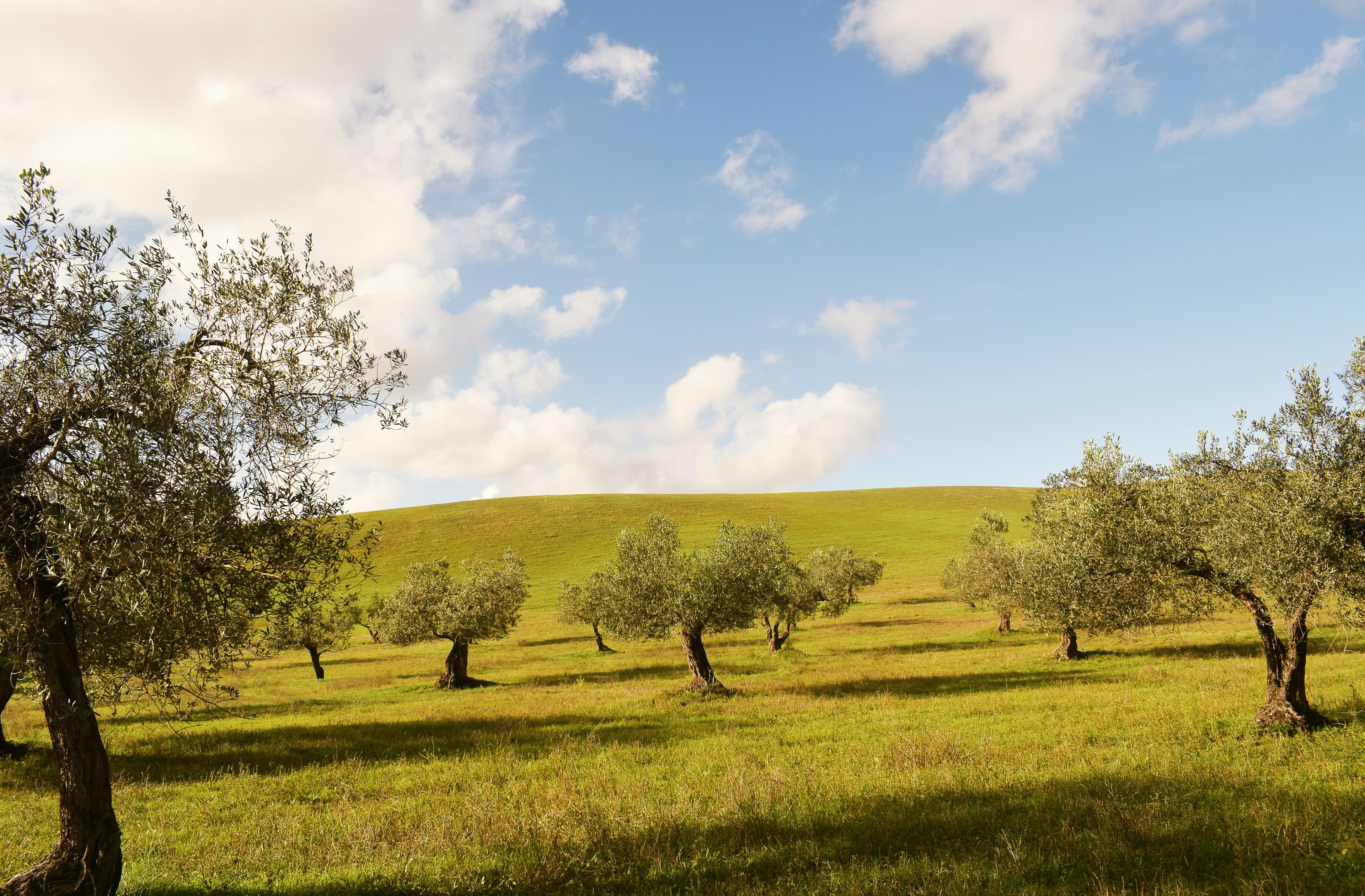
Four activities, two European methodologies
| Climate Standard's activity | Practices allowed by European rules | European methodology |
|---|---|---|
| Soil carbon | Cover crops, rotations, field residues, less tillage, meadow instead of arable land, rotational grazing, organic fertilizers | Agriculture and agroforestry on mineral soils |
| Trees in the field (agroforestry) | Trees within plots, hedges and rows, new permanent crops together with at least one soil practice | Agriculture and agroforestry on mineral soils |
| Reduction of nitrous oxide (N2O) emissions, only together with soil or trees | Precision fertilization; legumes, amendments, or biostimulants instead of mineral nitrogen; another type of fertilizer; inhibitors | Agriculture and agroforestry on mineral soils |
| New forest (afforestation) | Trees planted or sown on a meadow, a cultivated field, or land with a few scattered trees in the last twenty years | Afforestation |
The four activities
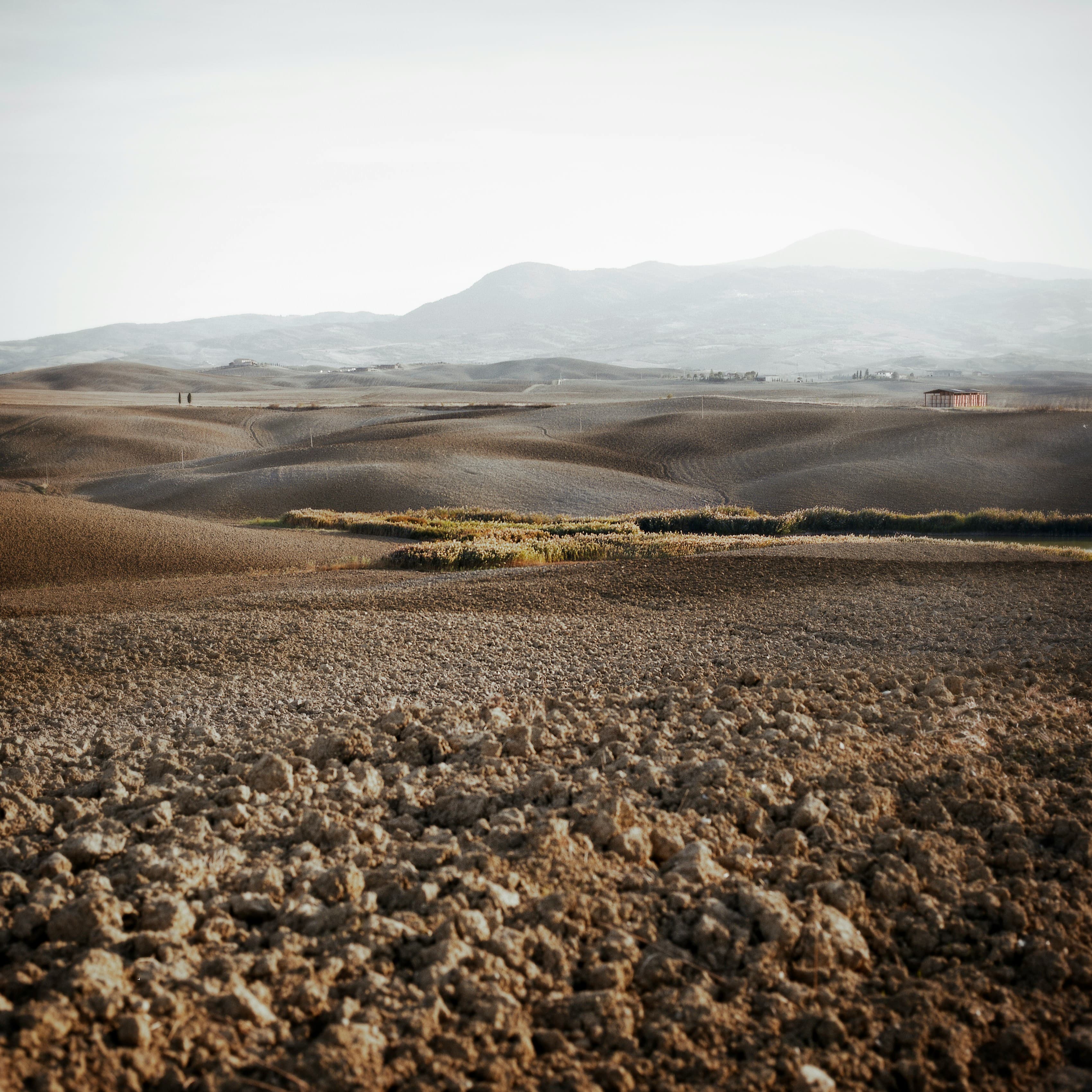
CS-CF1a-001 · Increase in soil carbon
Regenerative practices that return organic matter to cultivated soil or meadows. Commitment: at least 10 years.
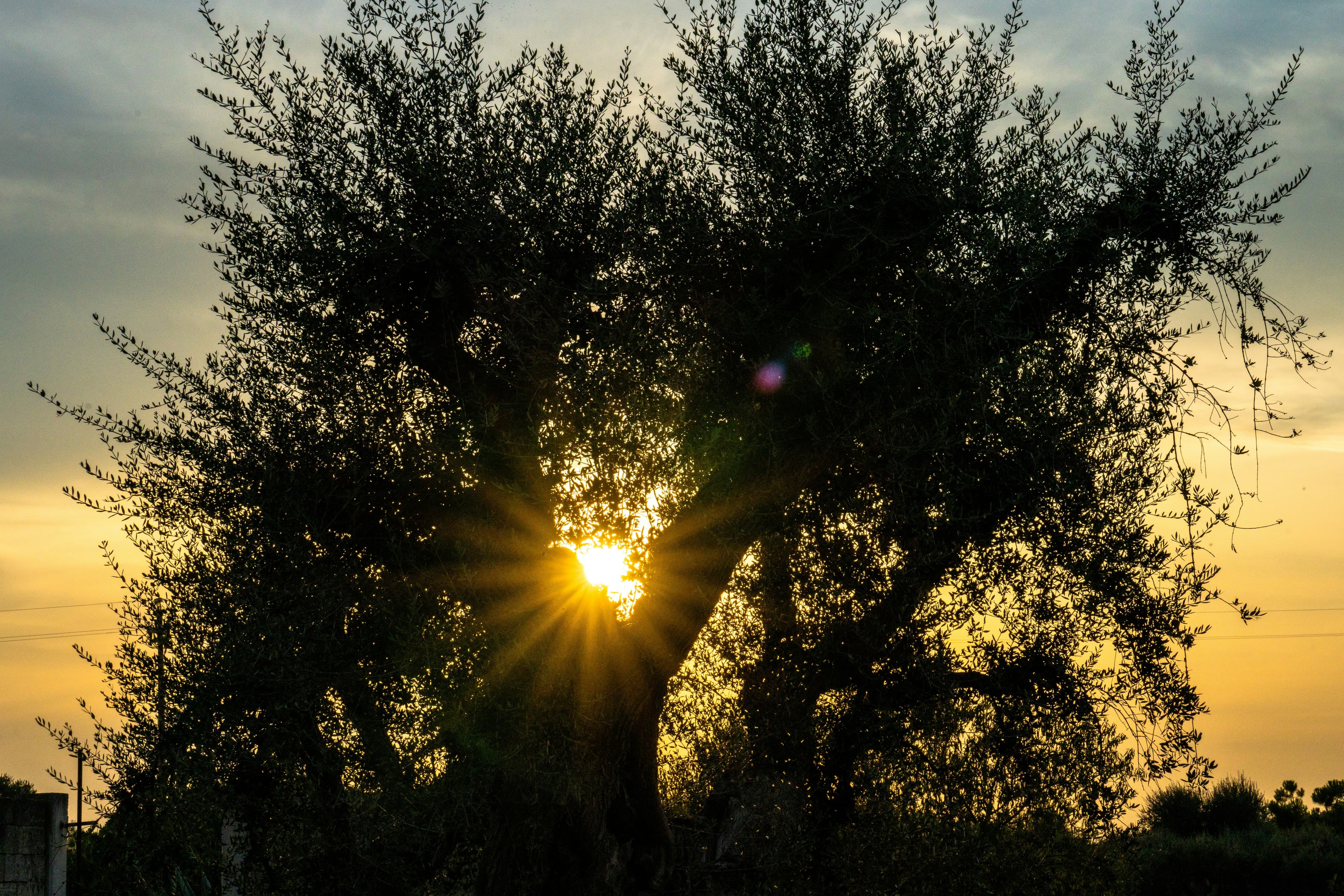
CS-CF1b-001 · Agroforestry
Trees, rows, and hedges among crops or pasture, on land that remains agricultural. Commitment: at least 20 years.
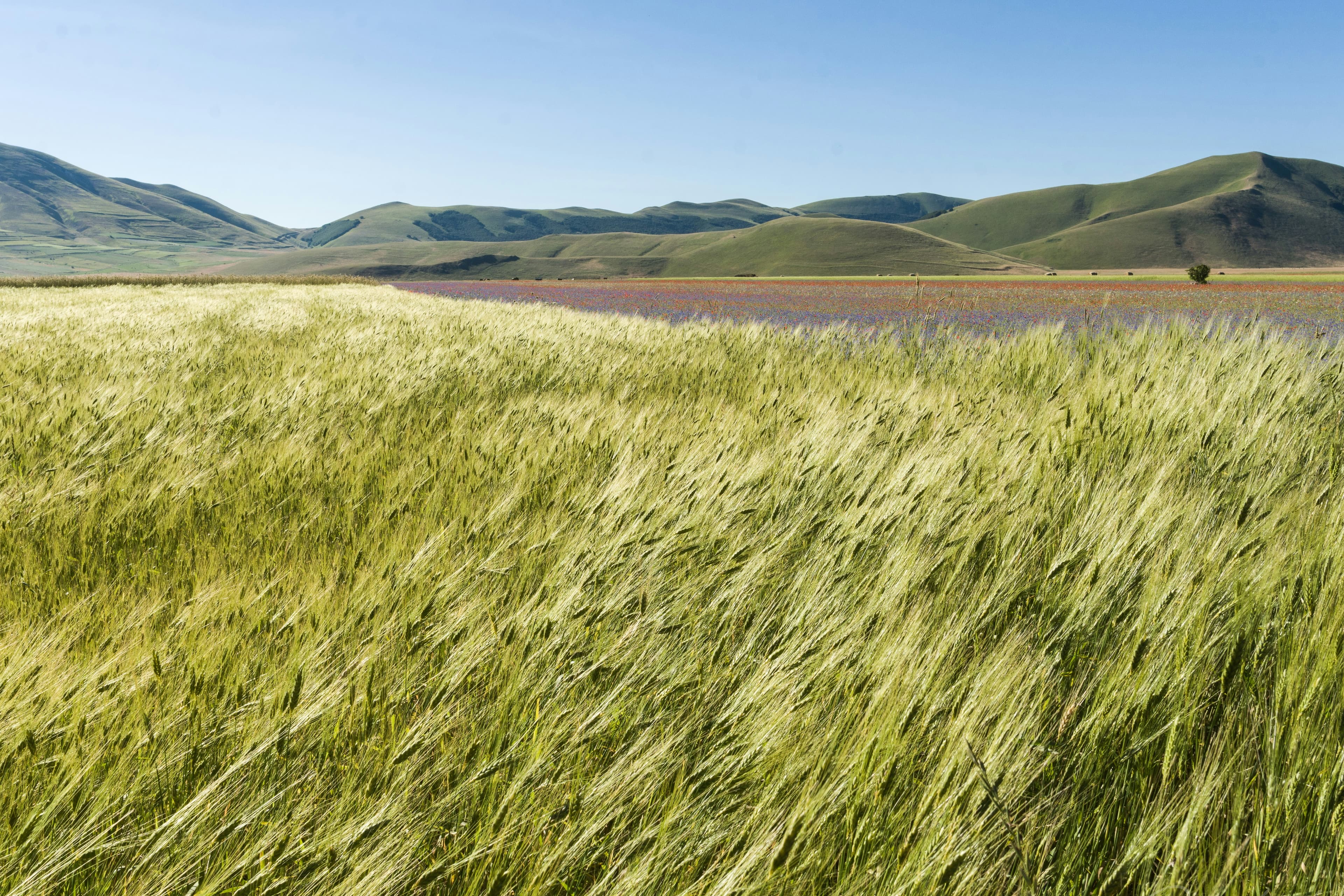
CS-CF1c-001 · Reduction of fertilizers (N2O)
Less mineral nitrogen, or better used, without losing yield. Added to the soil or agroforestry.

CS-CF3-001 · New forest (afforestation)
A new forest on a meadow or field. Commitment: at least 40 years.
Can be combined
| Combination | Is it possible? | Note |
|---|---|---|
| Soil and agroforestry, on the same land | Yes · | |
| Soil or agroforestry, plus fertilizer reduction (N2O) | Yes | N2O reduction is never valid on its own. |
| New forest plus fertilizer reduction (N2O) | No | On an former arable field, the avoided N2O is already included in the forest's account |
| New forest and soil, on the same land | Yes | The carbon in the soil under the forest is accounted for with soil rules |
| New forest and agroforestry, on the same land | No | The forest becomes a forest; agroforestry remains on agricultural land. |
Who can participate
- 01Land available for the entire activity period: owned, rented, gratuitously provided, or granted.
- 02Land history, documented for the years before the start.
- 03Single program of credits per activity: certifications not related to climate can be added, for example on biodiversity.
- 04Economic additionality: without the credits, the project you are undertaking must operate at a loss or yield less than how you currently use the land, or how you would use it at steady state without the project. A difference of even €1 is sufficient. This is demonstrated by a comparison between two economic plans, the project and the land use without the project, which the certification body checks.
Outside the CRCF, not outside Climate Standard
Peatlands are not included in the four activities.
For existing forests, there are five forest management activities; for projects that do not fall into any framework, we build a methodology together based on the same criteria as the CRCF.
Documents
| CS-GEN-001 | General document, common to all activities | v1.0 | October 2026 |
| CS-CF1a-001 ↗ | Soil carbon | v1.0 | October 2026 |
| CS-CF1b-001 ↗ | Trees in the field (agroforestry) | v1.0 | October 2026 |
| CS-CF1c-001 ↗ | Reduction of nitrous oxide (N2O) emissions, only together with soil or trees | v1.0 | October |
| CS-CF3-001 | New forest (afforestation) | v1.4 | July 2026 |
| Practical guide for designers |
Can you generate credits?
Provide your land details, or contact us.