

Reduction of fertilizers (N2O)
CS-CF1c-001Nitrous oxide weighs hundreds of times more on the climate than CO2. Use less nitrogen, or use it better, without losing yield: every kilo that does not leave the field becomes credits. This is added to the increase in soil carbon or to agroforestry.
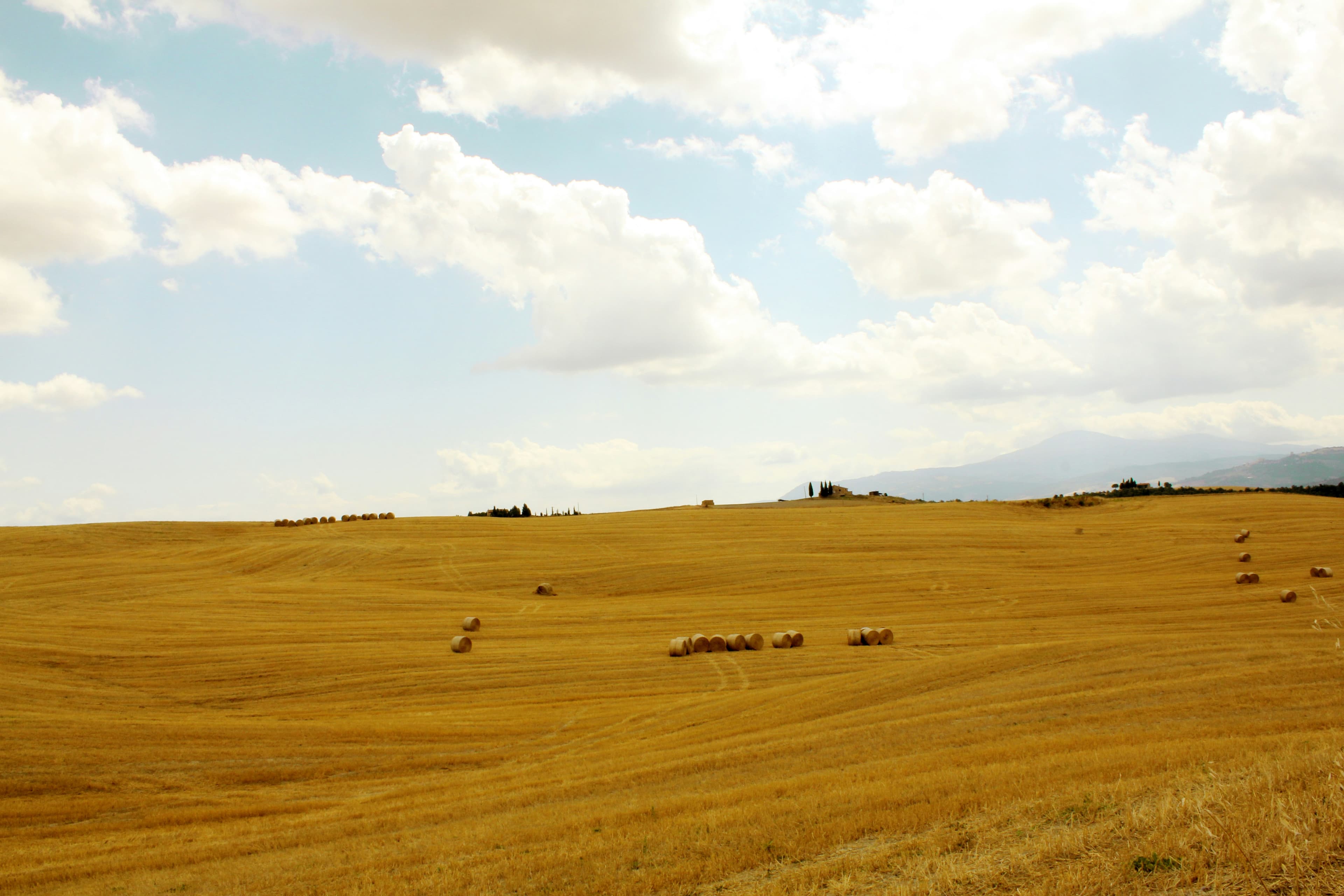
What it is and what it does in the field
Less nitrous oxide from the soil, same production. Practices allowed by European rules:
- 01Precision fertilization
- 02Legumes, amendments, or biostimulants instead of mineral nitrogen
- 03Another type of fertilizer
- 04Inhibitors
Who can do it
- 01Together with another activity: increase in soil carbon or agroforestry, on the same land. Never alone, never with new forest.
- 02History: at least 3 years of documented land use before the start.
- 03Economic additionality: without the credits, the project you are undertaking must operate at a loss or yield less than how you currently use the land, or how you would use it at steady state without the project. A difference of even €1 is sufficient. This is demonstrated by a comparison between two economic plans, the project and the land use without the project, which the certification body checks.
For how many years
| Activity period | 5 years, renewable up to 3 times (maximum 20) |
| Monitoring after completion | none |
| Minimum commitment |
What is measured and how often
European rule at least every 5 years;
Climate Standard recommends every year, or together with the controls of the associated activity, at most every 3 years.
Putting numbers to the credits
With European rules, from avoided tonnes to credits, here is how:
- 01Avoided tonnes: the nitrous oxide that no longer escapes from the soil, counted in CO2 equivalent.
- 02− Uncertainty: 15%, or 10% with specific Italian values for that soil and that fertilizer.
- 03− Activity emissions: its share of diesel and transport, plus urea, lime, and inhibitors if you use them.
- 04= Credits: one per ton of CO2 equivalent, each with its code.
- No contribution to the collective reserve.
- Credits do not expire: they count avoided emissions forever.
Row on value:
Market reference: approximately 45 € per ton, the value of agricultural credits from the French Bas-Carbone Label (I4CE, January 2026).
Benefits for nature
Less excess nitrogen means fewer nitrates in groundwater and rivers. Every project must also bring a benefit to biodiversity: it is an extra argument for those who buy your credits.
Typical errors and what it is not
- 01Reducing nitrogen loss from harvest: the field yield must remain the same.
- 02To forget that with every regeneration, the starting point decreases by 1% for each year passed: with the same practices, the credits decrease.
- 01It is not a public contribution: it is added to the CAP, if all contributions are declared.
Documents
| CS-GEN-001 | General document | v1.4 | August 2026 |
| CS-CF1c-001 | Activity methodology | v1.3 | |
| Models and tools for designers | You will be given after the first assessment. |
How much it costs
No commission on the sale of credits. Receive a written quote before starting.
Other activities
- 01Increase in soil carbon: more organic matter in cultivated or meadow soil.↗
- 02Agroforestry: trees, rows, or hedges on land that remains agricultural.↗
- 03New forest (afforestation): trees planted or sown on a meadow, cultivated field, or land with few scattered trees in the last twenty years. Cannot be combined with this activity.↗
Can you generate credits?
Tell us what you already do on the soil or with the trees: this activity must always be combined with one of those.