

Five ways to grow the carbon in your existing woods
For those managing a PEFC certified forest. When your intervention increases the forest's carbon, that growth, measured in the field and controlled by an independent body, becomes credits. For measurement, uncertainty, and risk, the same rules as the European CRCF apply.

What you do and where the extra carbon comes from
| Activity | What you do | Where the extra carbon comes from |
|---|---|---|
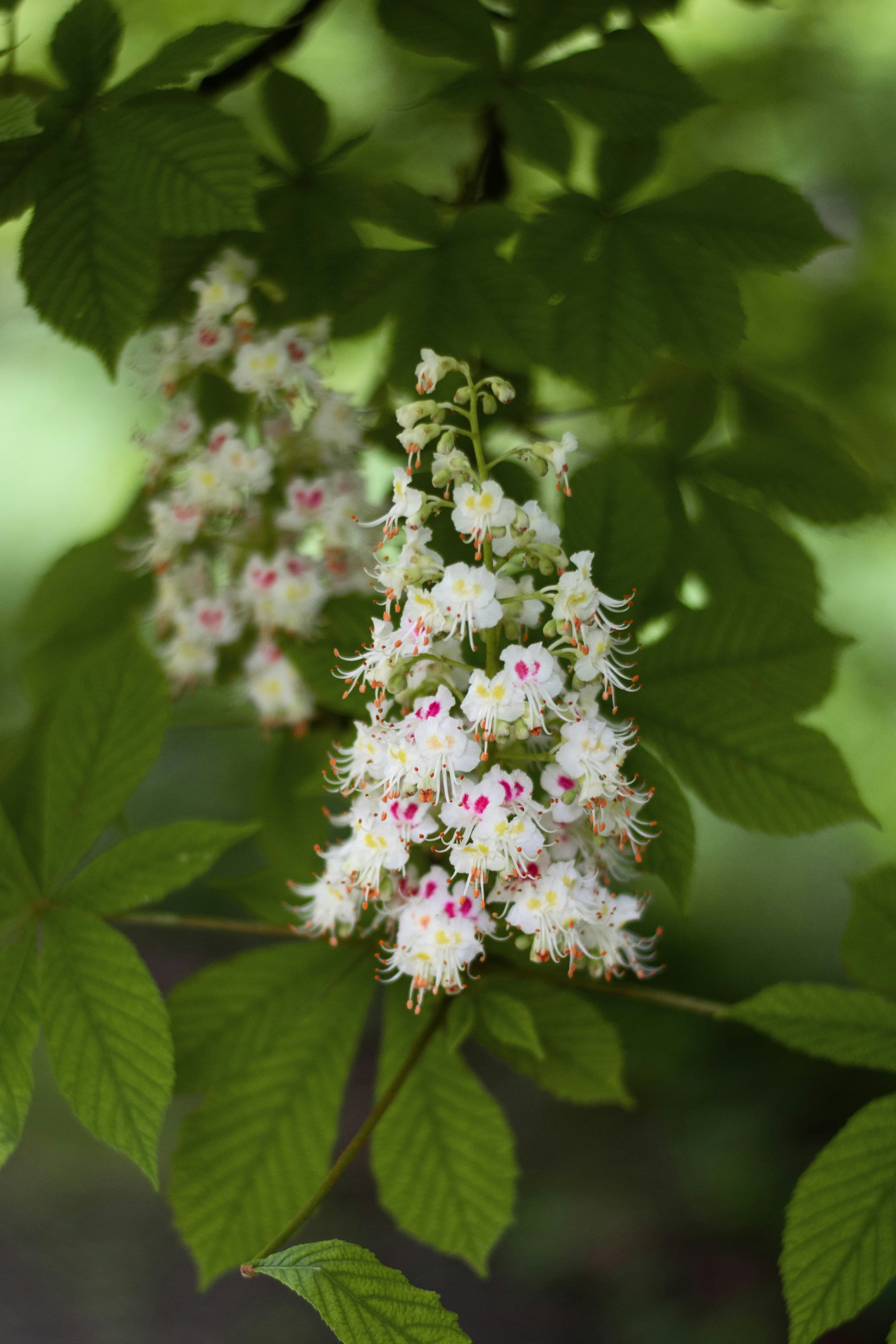
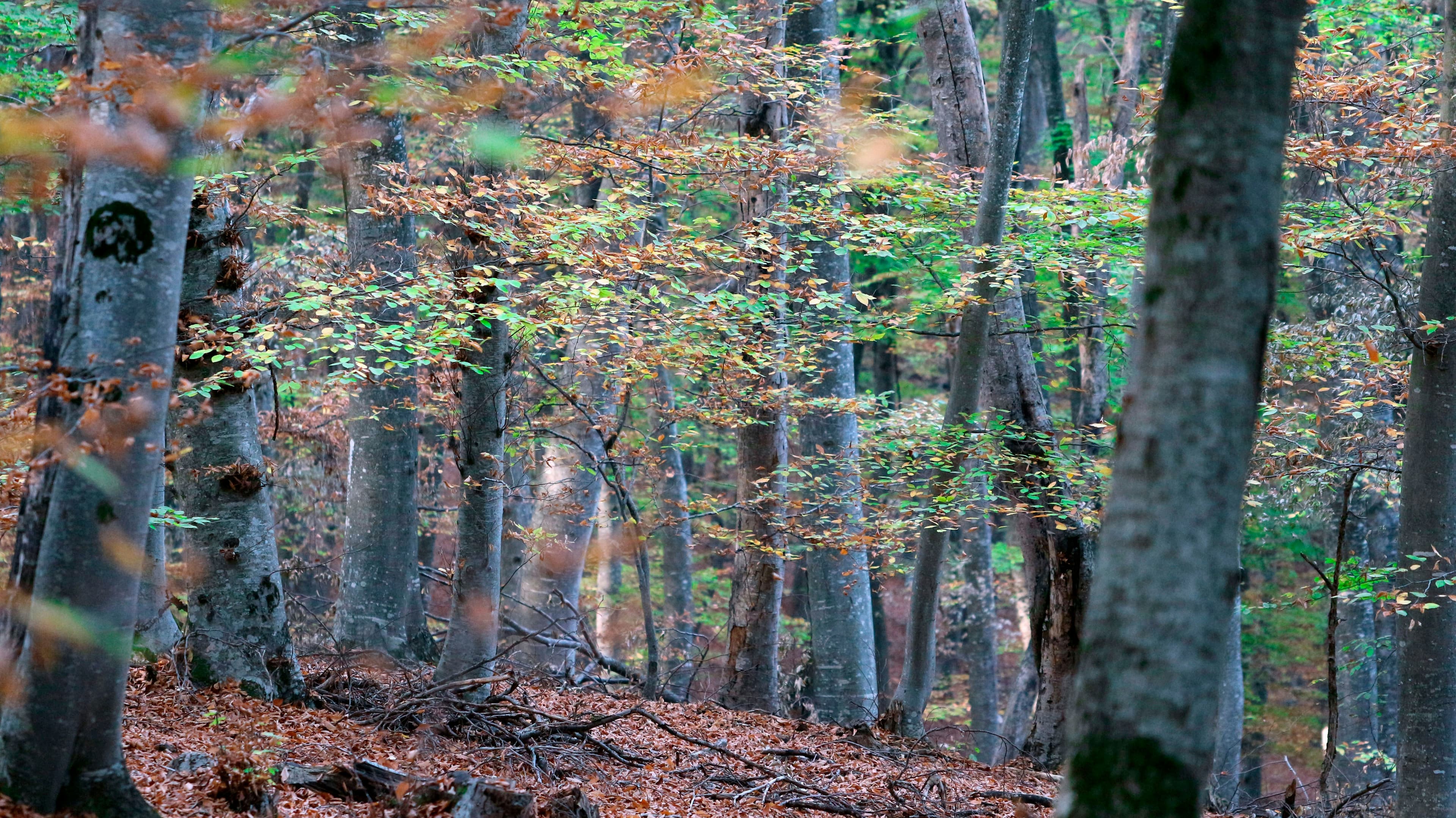
| From coppice to high forest | Stop cutting the coppice at the end of the rotation period and convert it to high forest with conversion thinning | The forest is no longer cut at the end of the rotation period and continues to accumulate wood |
| Extension of the rotation period | Postpone the maturity cut planned by the plan | Tree growth in waiting years |
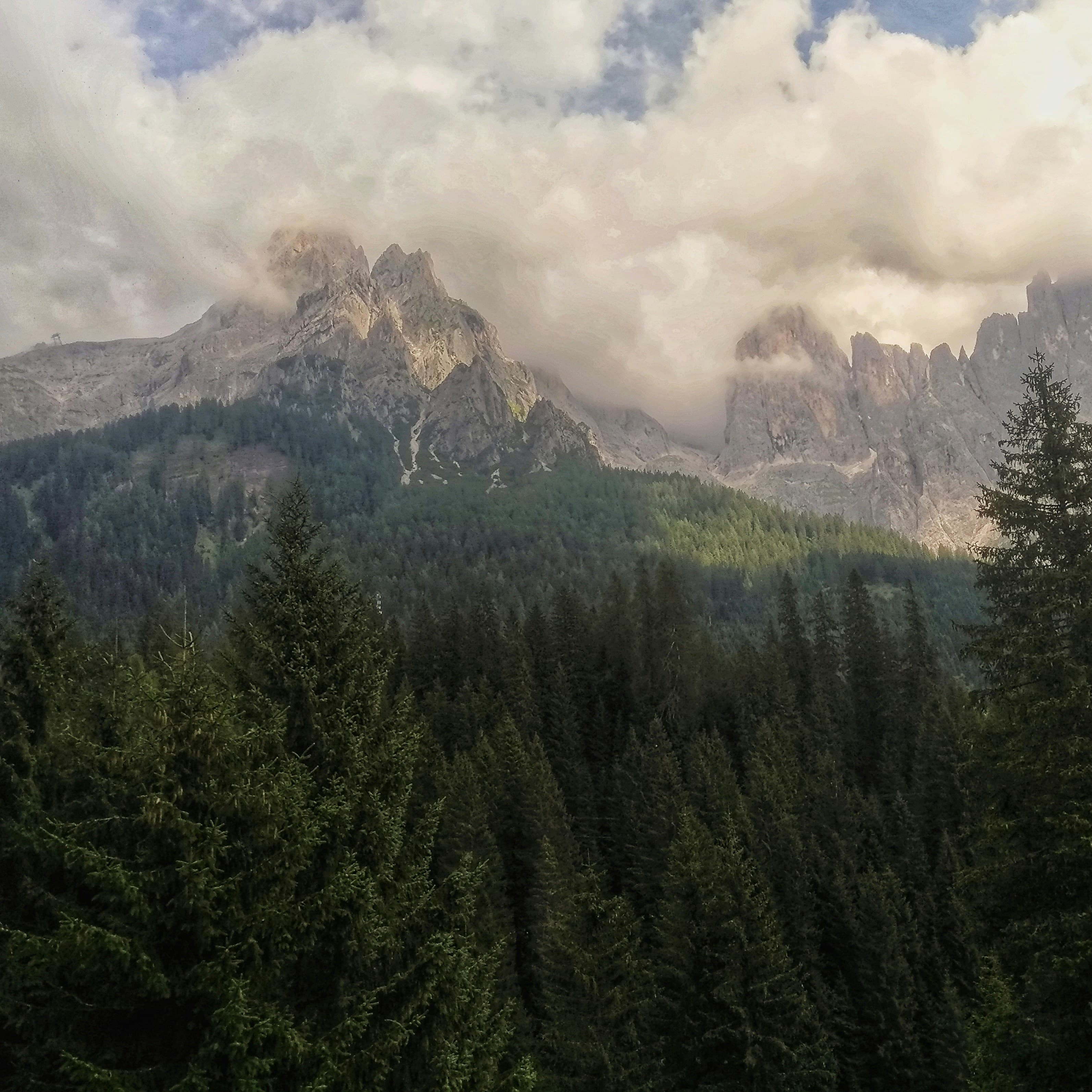
| Partial harvest avoidance | Does not cut a mapped portion of the area intended for cutting | Forest growth on the saved portion |
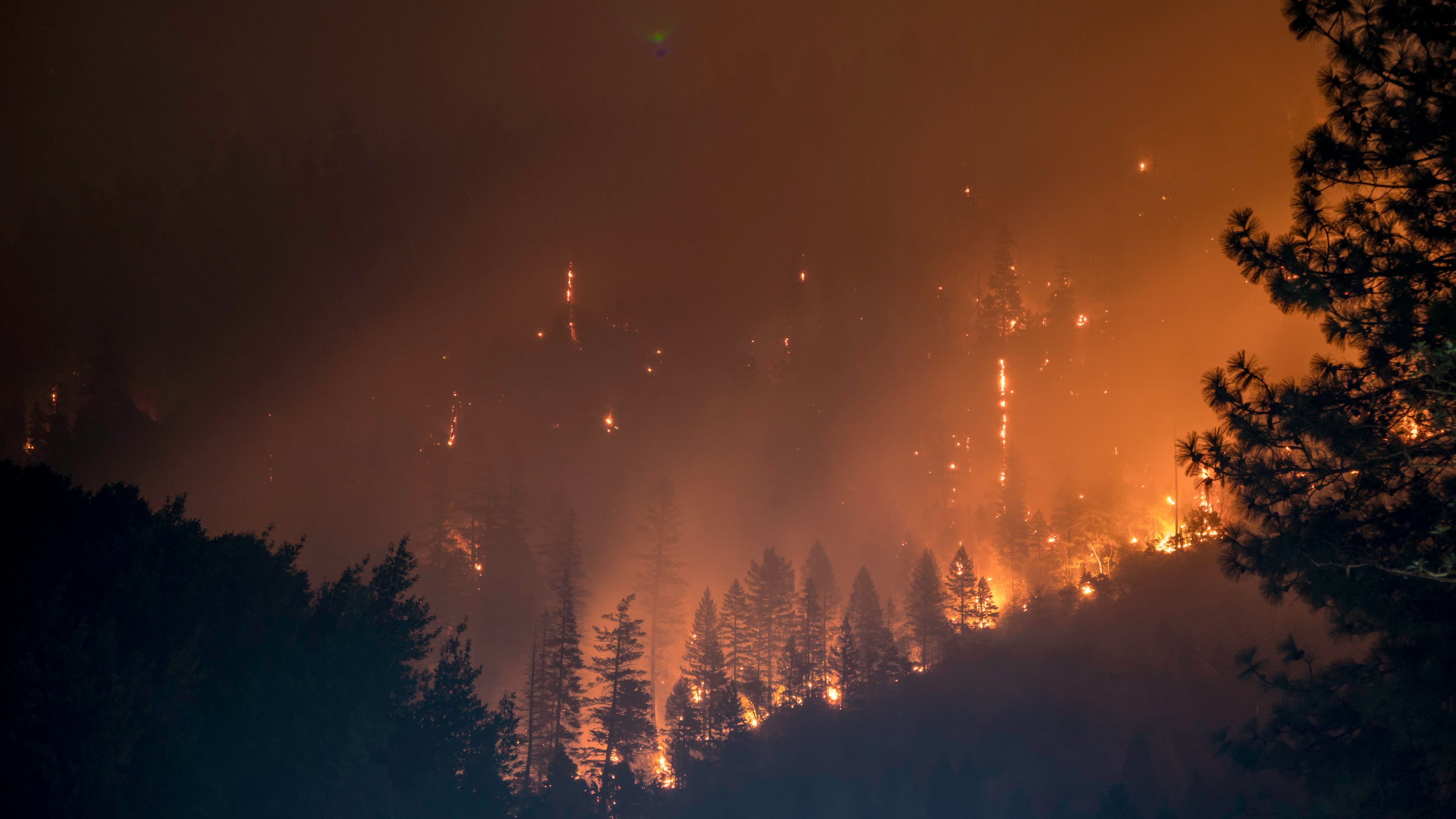
| Reforestation | Plant suitable species on forest areas that have lost forest | The forest regenerates sooner than it would naturally |
| Protection of natural regeneration | Individual fences or protections against wildlife browsing | Young plants establishing themselves thanks to protection |
The five activities

Can be combined
| Combination | Is it possible? | Note |
|---|---|---|
| Multiple activities on the same farm, on different areas | Yes | The areas must be separated and mapped. |
| Two activities on the same surface | No | If the extra carbon comes from the same growth, it is counted only once. |
| Multiple owners together | Yes | With a group of managers, the costs of documentation and controls are divided: with few hectares, it is often the only convenient way. |
Who can participate
- 01PEFC forest management certification, valid for the entire duration of commitments.
- 02Forest management plan, or equivalent instrument, valid for the area.
- 03Forest available for the entire activity period; after that, a written commitment from the owner of the availability is sufficient.
- 04Boundaries: georeferenced, with cadastral or plot references.
- 05Beyond the law: what the law already requires does not generate credits. You can also start with an activity that has been ongoing for no more than three years, if you can demonstrate that it was additional from the beginning.
- 06Economic additionality: without the credits, the project you are undertaking must operate at a loss or yield less than the management set out in the plan, for example, from harvesting. A difference of even €1 is sufficient. This is demonstrated by a comparison between two economic plans, the project and the management without the project, which the certification body checks.
What credits are
- 01Temporary removals: the carbon remains in the forest for the entire duration of the obligations. The end date is written in the certificate and in the register.
- 02Issued after measurement: a credit is generated only after the carbon has been measured in the field and checked by the certification body.
- 03Outside the CRCF: these activities do not produce CRCF credits: the European rules adopted so far do not include existing forests or forest land to be reconstructed.
Market reference: approximately 25-35 € per ton, the value of forest credits from the French Bas-Carbone Label (I4CE, January 2026).
Do you have a field or want to plant a new forest?
Soil carbon, agroforestry, and new forests on meadows and fields follow the European rules of the CRCF.
Relationship with PEFC Italia
As of today, there are no economic or other relationships between the two companies. Climate Standard has acquired the standard developed by PEFC Italia and is publicly available.
PEFC Italia establishes through the standard what can be certified and under what conditions. Climate Standard establishes how it is measured, calculated, and recorded, adhering to the provisions of PEFC Italia.
Climate Standard does not modify the parameters of the schemes established by PEFC Italia — eligible activities, risk rates, baseline assumptions: it applies and documents the application.
Climate Standard commits to communicating every operation based on the Standard to PEFC Italia (Section 14.6) and may request verification of Climate Standard's operations and project documentation at any time.
Documents
| CS-PEFC-GEN-001 | Common requirements for forestry activities | v1.5 |
| CS-PEFC-MET-001 | The five forestry methodologies | v1.6 |
| Models and tools for designers | You will be given after the first assessment. |
Can you generate credits?
Tell us about your forest and what the management plan provides: we will tell you if it makes sense to start.