For credit buyers

Carbon credits under European rules

From farmland and forests: carbon measured in the field, checked by an accredited certification body and entered in the public registry (and the future European registry). Under the CRCF, the European certification framework, the European Union writes the rules and Climate Standard puts them into practice to protect buyers.

Climate Standard connects you with projects and takes no commission on sales.

Why buy

European rules, not private ones.
The CRCF is the EU framework for certifying carbon removed from the atmosphere. Projects follow Climate Standard methodologies, written on the basis of European methodologies.
The seller does not pay the verifier.
Climate Standard chooses and pays the certification body, which checks documents and measurements, including in the field.
A credit, a name and a face:
A credit has a face: that of the farmer committed to removing carbon through additional, regenerative practices that you can see because they are near you.

Every credit is essential to its project: Climate Standard certifies only projects that demonstrate with figures that they would not start without credits. The certification body checks the comparison between two financial plans.

A credit is financial support

First, you must commit to reducing your emissions. Then, through credits, you finance carbon removed by local projects that can succeed thanks to you, with measured and verified results.

Need advice on how to communicate?

Since September 2026, European rules have prohibited telling consumers that a product is neutral thanks to purchased credits. They do not stop you from supporting a project. SBTi has approved OER (Ongoing Emissions Responsibility), which encourages companies to buy credits as part of their commitment. We help you understand what you can say and how.

Brokers and intermediaries

Are you a broker or intermediary?

We show you how to read the registry and verify a credit.

Contact us

What you finance

Specific practices on real land, with a guarantee of permanence for years. Beyond carbon: more fertile soil, biodiversity and renewed landscapes. Each credit says where, through which practice, over what period and who checked it.

Support a project from the start

You can reach an agreement with the credit generator before the credits exist: finance the project from the outset and secure a share of future credits at an agreed price. Communicate your support for the project from its first year.

How it works: the contract is between you and the credit generator. We record the presale, so you can show all your stakeholders the commitment you have made.

Project types

Agricultural activities under European CRCF rules
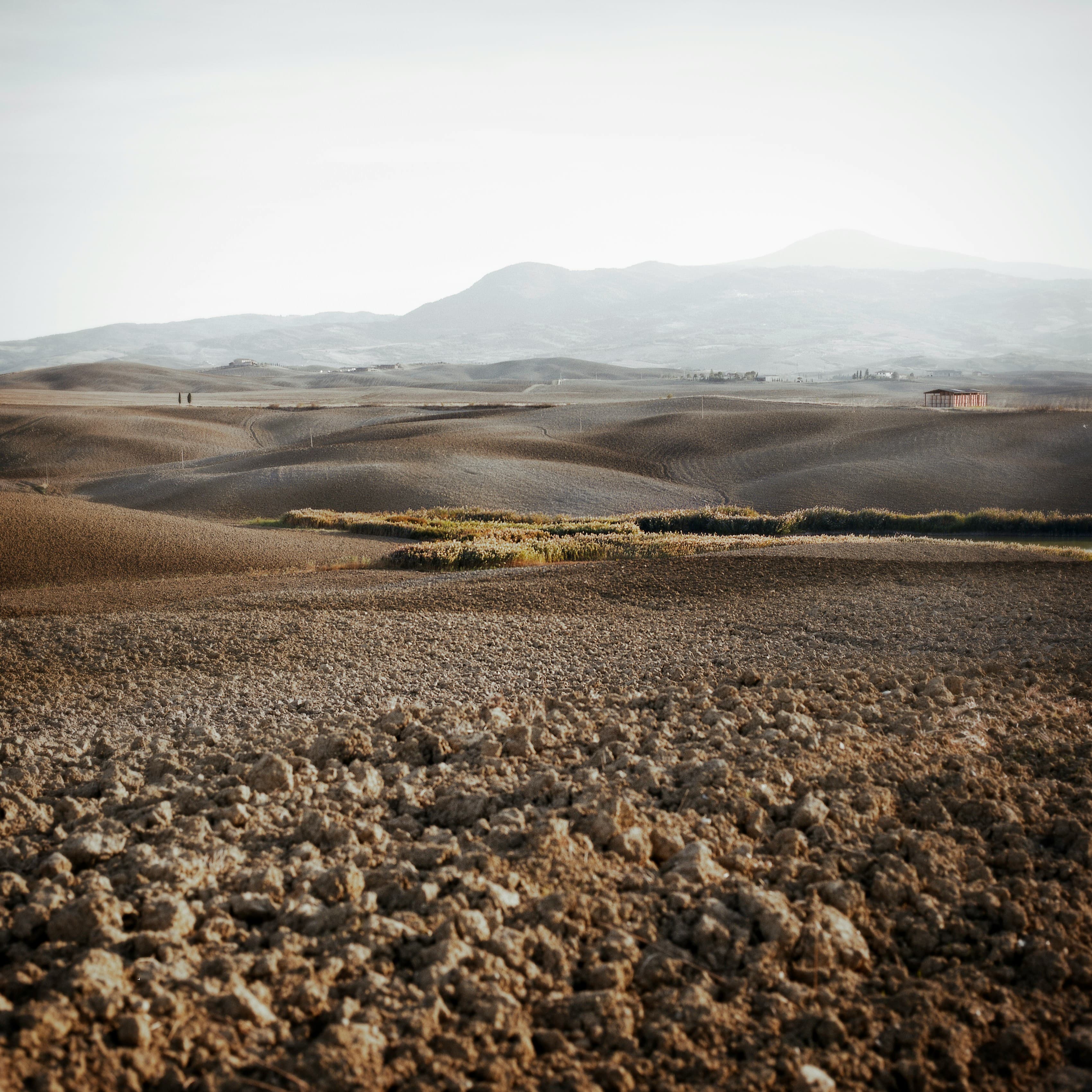
Increasing soil carbon
Cover crops, less tillage, longer rotations: the soil retains more organic matter. This is regenerative agriculture.
Agroforestry
Plant trees, rows of trees or hedges on land that remains agricultural.
Reducing fertilisers (N2O)
Use less nitrogen fertiliser. This is combined with increasing soil carbon or agroforestry.
New forest (afforestation)
Plant a new forest on a meadow, a field or land with almost no trees for at least twenty years.

Forest activities under the PEFC programme

Converting coppice to high forest.
Stop cutting coppice at the end of its rotation and convert it to high forest. The forest keeps growing and storing carbon.
Extending the rotation.
Delay the final harvest scheduled in the plan. Growth during the extra years becomes credits, and the timber is not lost: you harvest it later.
Partially forgoing a harvest.
Leave standing part of the forest scheduled for harvest in the plan, starting from half a hectare. Harvest the rest as planned.
Reforestation.
Replant a forest lost to fire, wind damage, landslides or pests where it would struggle to return on its own. This differs from a new forest: there was already a forest here.
Protecting natural regeneration.
Protect young trees from deer browsing with fences or individual guards until they are large enough.

Explore the registry

The registry shows registered projects and the status of their credits.

Explore the registry ↗