

Turn the carbon stored on your land into credits
More fertile soil, trees in fields, new forests or additional management of existing ones: under the European CRCF rules, the carbon you retain becomes credits that companies buy.
Check if you can generate creditsAre you a technical adviser? Contact us
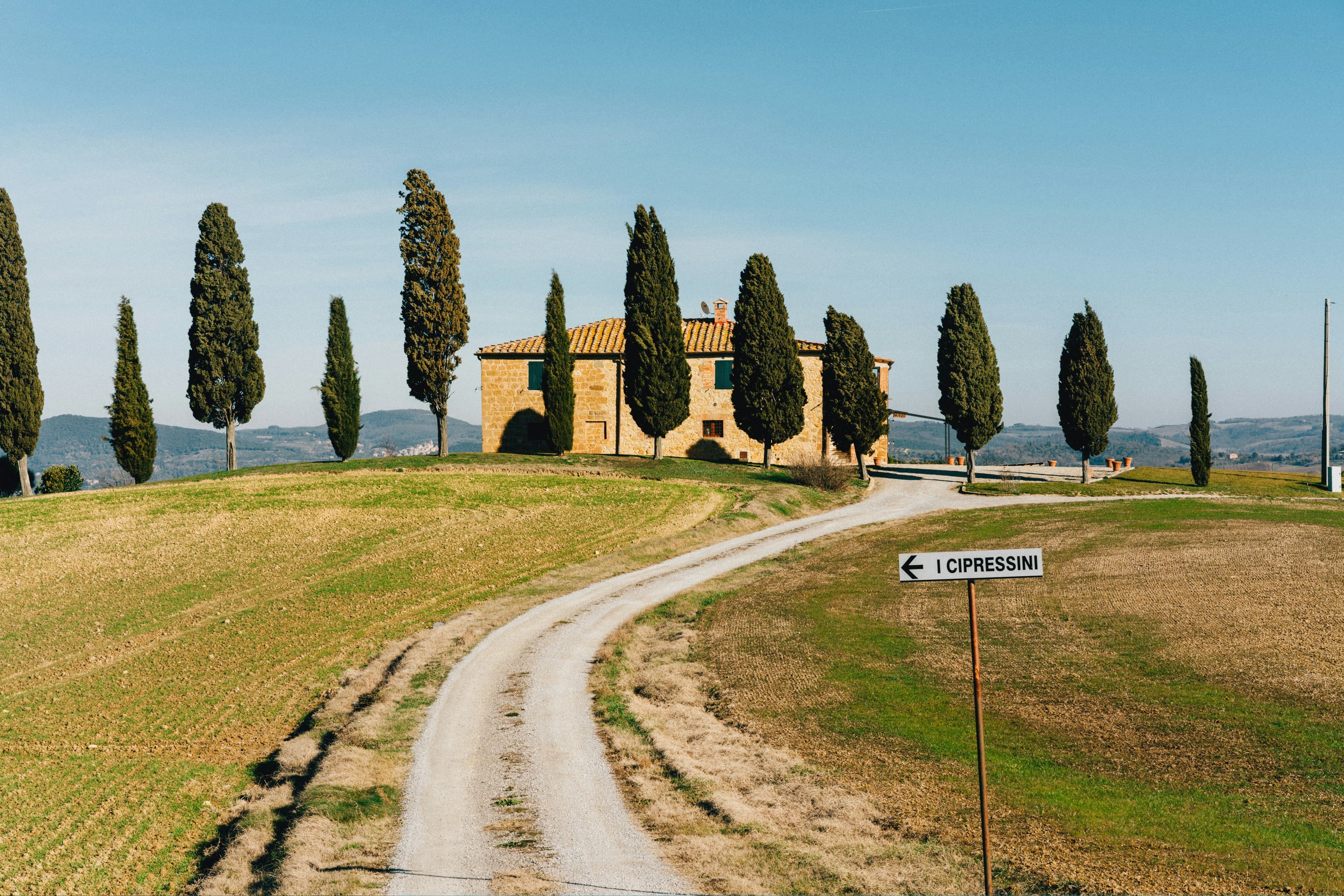
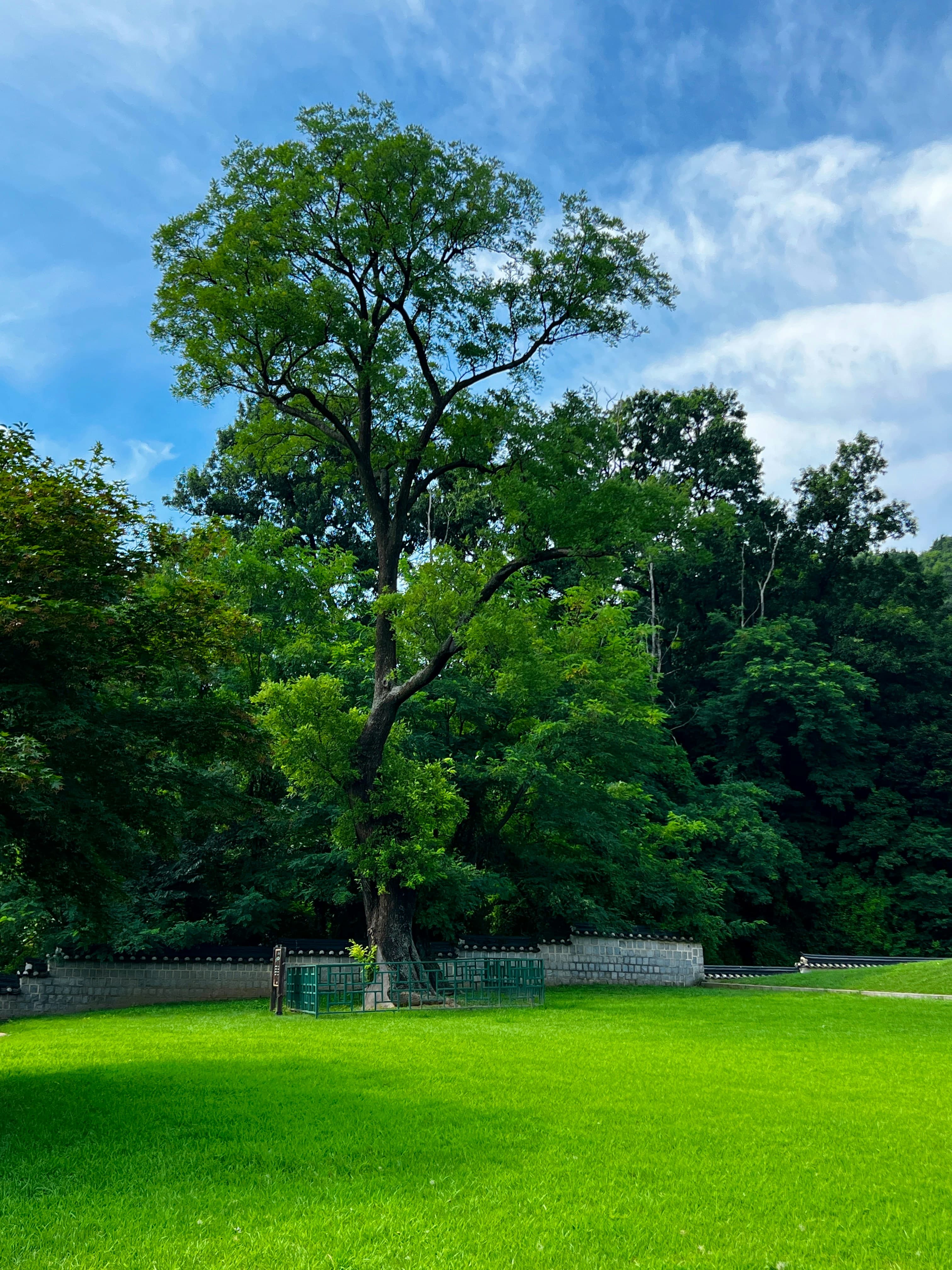
Illustrative image
The opportunity
By 2030, EU agricultural and forest land must absorb an additional 40–55 million tonnes of CO2 each year. That is why the EU created the CRCF, the first European rules for certifying carbon removed from the atmosphere and stored in soil and trees.
Market data prices these agricultural carbon credits at €40–50 and forest credits at €25–35.
One carbon credit represents one tonne of CO2 equivalent removed from the atmosphere.
The market in Europe, including Italy, is just emerging: those who start today get there first.
How much is a similar credit worth?
In France, a credit from an agricultural project is worth about €45 per tonne of CO2 equivalent, while a forest credit is worth between €25 and €35. This is about four times the average price of international credits: companies pay more for local, verified credits. The CRCF brings the same approach across Europe.
Why do credits increase over time?
Because carbon accumulates. In the early years of an agroforestry project, the trees are young and small, so fewer credits are generated. Each project year adds new carbon to what has already accumulated: the sooner you start, the sooner you reach full capacity.
I have only a few hectares. Can I join with other businesses?
Yes, and it is often the most economical choice. Nearby businesses can form a group of operators, with a cooperative, consortium or association as lead organisation, for example. The group has one project and one technical adviser, and everyone shares the cost of documents and checks. The certification body visits a sample of businesses rather than every one.
Sources: Regulation (EU) 2023/839; European Commission, COM(2025) 668, 6 November 2025, section 4; European Commission, COM(2021) 800, 15 December 2021; I4CE, January 2026;
Explore the registry →What aligned with the CRCF means
For farmland and new forests, we use Climate Standard methodologies built on European CRCF rules. Until the scheme is recognised, any credits issued and recorded by Climate Standard are not CRCF-certified credits or units in the EU registry: alignment concerns the methodologies and does not amount to recognition.
Whether and how previously issued credits can qualify under the CRCF will depend on the applicable rules and verification. Activities in existing forests instead follow the PEFC programme, a separate path from the CRCF.
You run the project. Climate Standard takes it from the rules to the registry.
Climate Standard is the certification system: it writes project rules based on European CRCF methodologies, organises checks and maintains the public credit registry.
The five steps
Why work with Climate Standard
- You do not choose who checks your project. As a rule, Climate Standard selects and pays the certification body.
- The credits are yours. The people who generate credits sell them, directly to companies or through brokers. Climate Standard is building a broker network and does not take a sales commission.
- You know the cost from the start. You receive a written quote before you begin.
- You do not spend money in vain. If the project cannot go ahead, we tell you immediately, before you spend money on surveys and checks.
What you receive, and when
- Right away: a team member explains the rules and checks your project documents.
- After Climate Standard is recognised and the certification body completes its check: CRCF credits in the registry, each with its own code, and a public project page.
- How often: credits from trees can be certified every year, and credits from soil every 3–5 years.
Projects you can develop
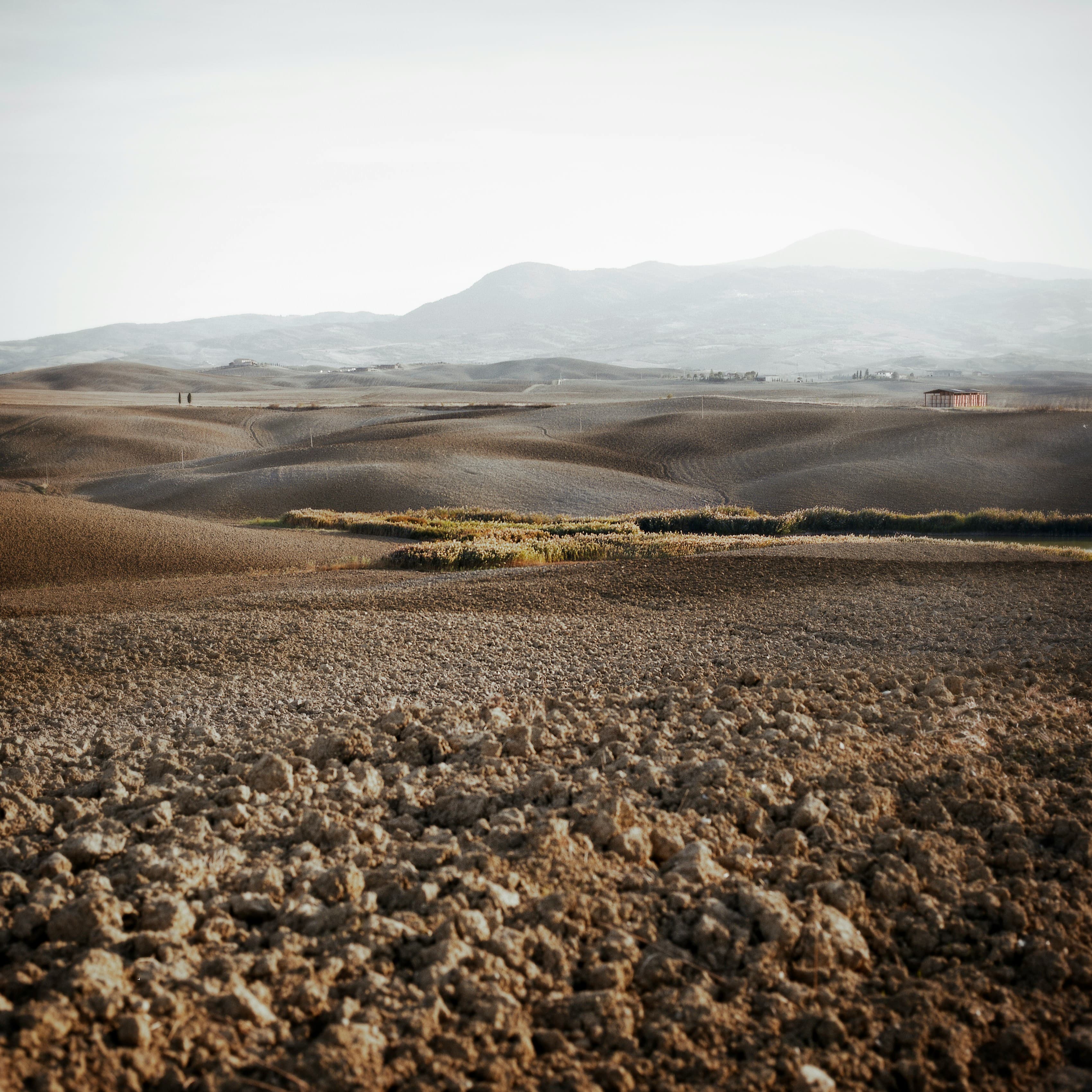
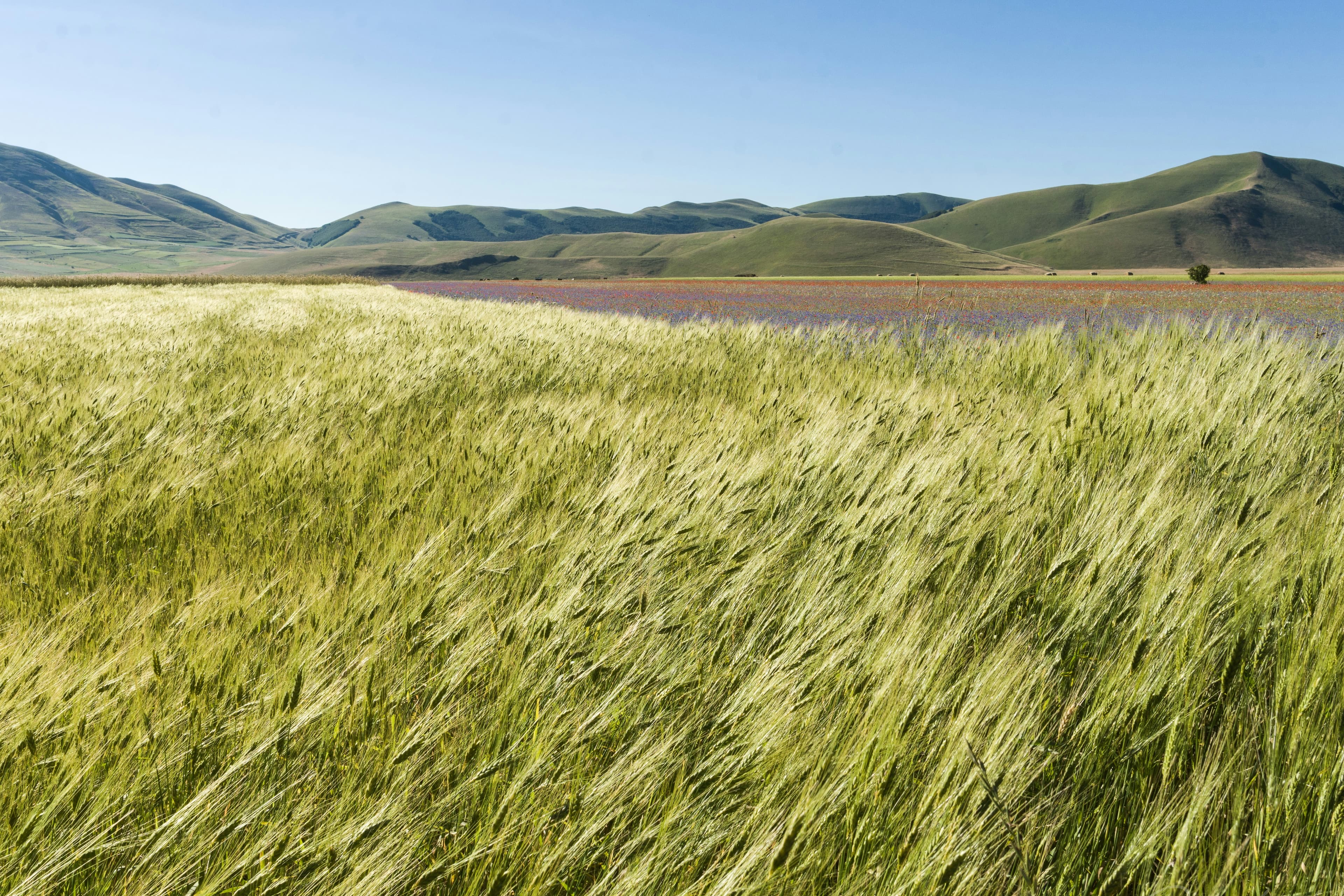
Agricultural activities under European CRCF rules
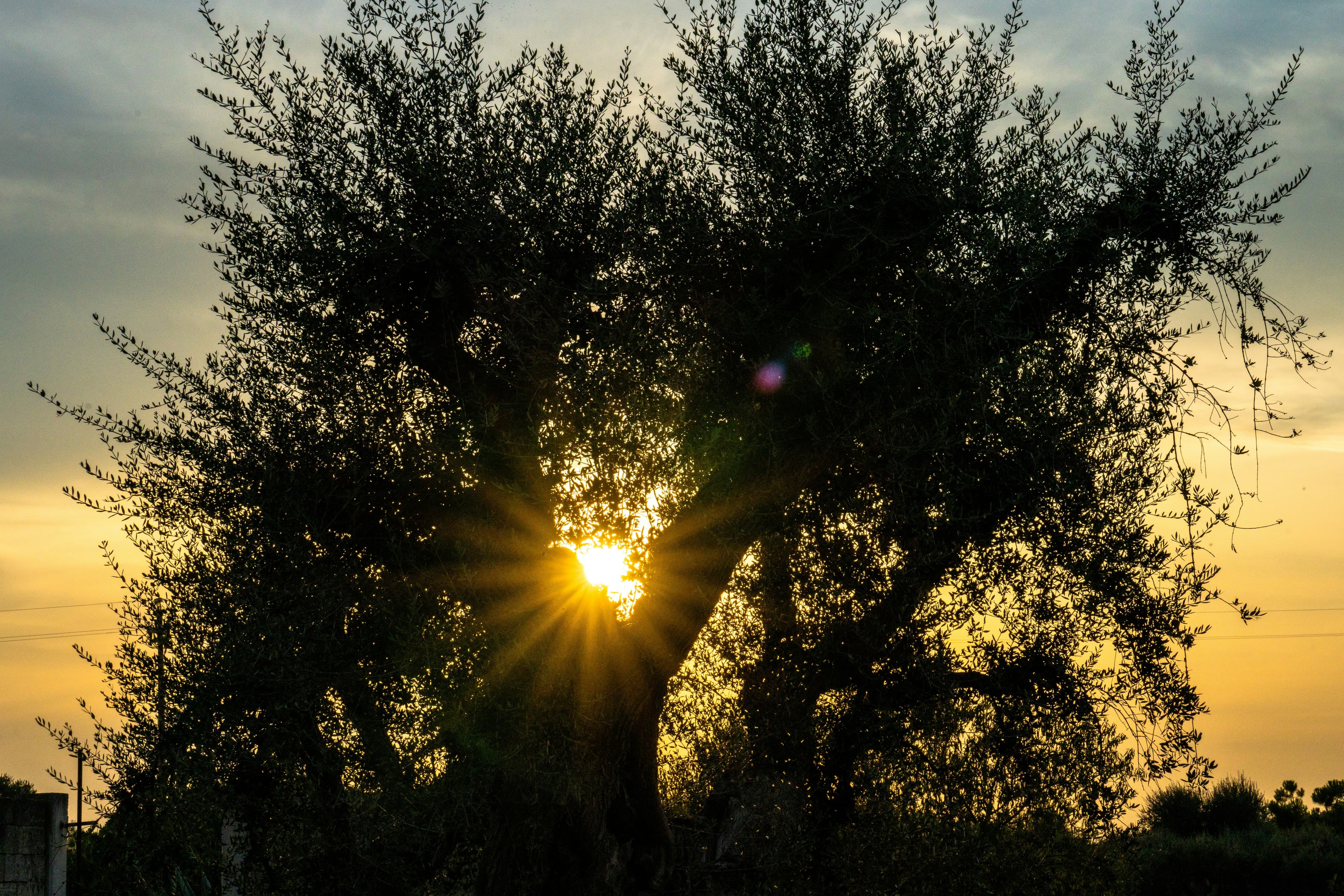
Forest activities under the PEFC programme


Costs
You pay for audits and a small fee for each credit issued. There is no fixed annual fee to remain in the registry.
Not sure how many credits to enter? Estimate them in the section below.The certification body's cost is included in the audit price: as a rule, Climate Standard selects and pays it. Technical advisers, field surveys and analyses are not included.
No commission on credit sales.
How many credits you can generate
An estimate in two minutes: location, area, landscape type and activity.
When to start
Do credits really matter for my project?
This is the first thing we check. Credits are intended to make projects possible when they would not otherwise be financially viable: without credits, your project must make a loss or earn less than how you currently use the land, or would use it at full capacity without the project. Even a difference of €1 is enough. Your technical adviser demonstrates this by comparing two financial plans, the project and the land's use without it, in the spreadsheet we provide; the certification body checks the result. Public subsidies count in the calculation; credit revenue does not.
Do I have to own the land?
No. Rented, borrowed or concession land is also acceptable, provided you have the right to use it throughout the activity period. For the final years, when there are only checks, the owner only needs to commit in writing to preserving the carbon and allowing the checks.
How large does the land need to be?
There is no minimum area. But if your land is small, joining a group with other businesses lowers costs: see how it works.
I receive CAP subsidies. Can I take part?
Yes, provided you declare them all: the certification body checks them. If the subsidies alone already cover the full cost of the activity, you cannot receive credits.
I have already started the activity. Can I take part?
If you started the activity between 1 January 2023 and 31 December 2027, you are still within the CRCF framework. If you started earlier but can demonstrate that the practice is additional to business as usual, you may qualify for CRCF-like credits. They will be on our registry but will not also be issued on the Community Registry.
Check if you can generate credits
Bring the details of your land: we will tell you whether it makes sense to start.