

Increase in soil carbon
CS-CF1a-001For the first time, the carbon stored by your soil has European rules. Cover crops, reduced tillage, meadows: you measure how much extra carbon remains in the soil and convert it into credits.
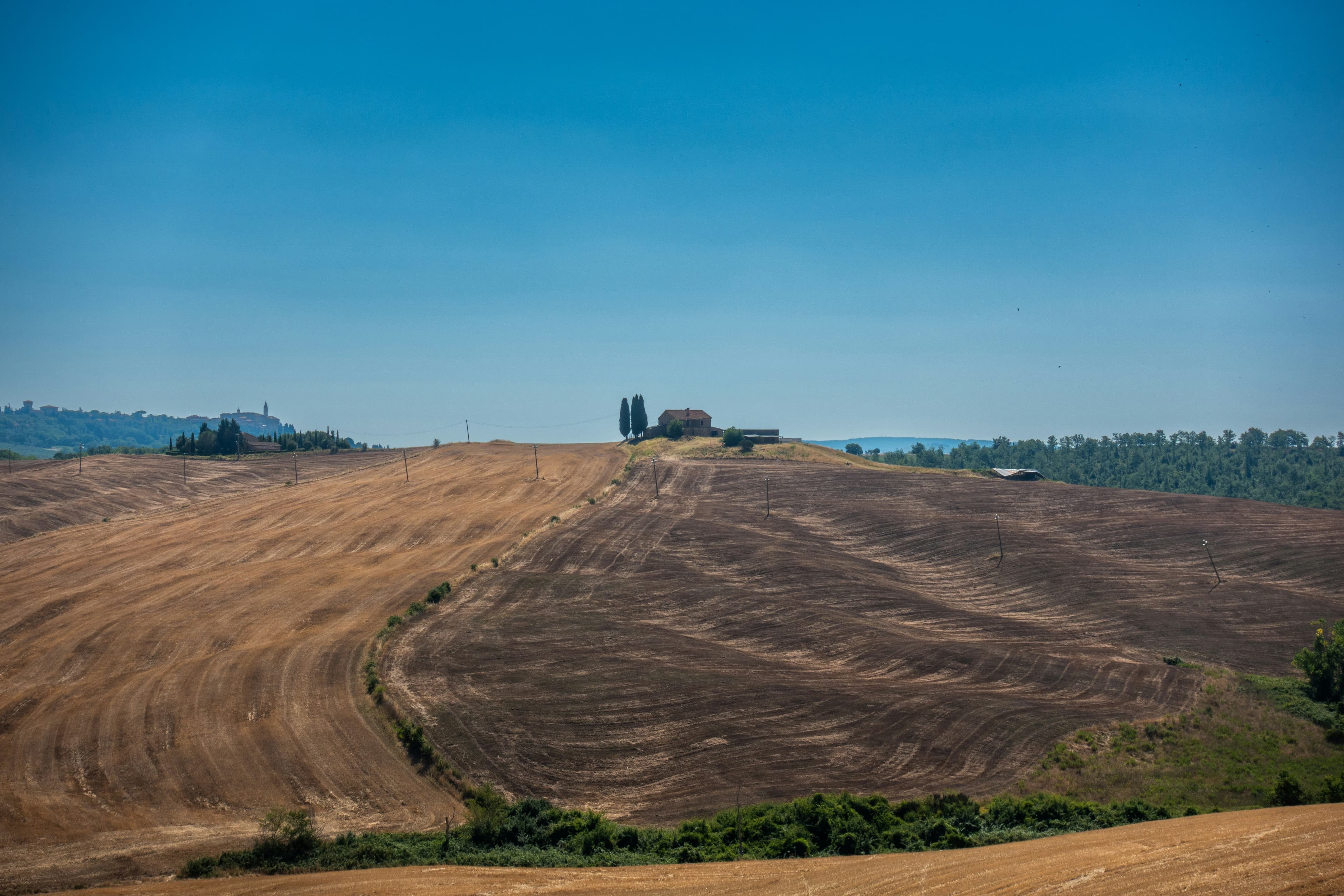
What it is and what it does in the field
Soil richer in organic matter: retains more water, is more resistant to drought, and generates credits. Practices allowed by European rules:
- 01Cover crops, rotations, residues left in the field
- 02Less soil disturbance, together with practices that bring more carbon to the soil
- 03Converted coppice to meadow
- 04Rotational pasture, mixed cuttings, forage converted to permanent meadow
- 05Amendments and organic fertilizers
Who can do it
- 01Land: arable land and meadows on common agricultural soils.
- 02History: at least 3 years of documented land use before the start.
- 03Excluded: land where trees or hedges are removed, or where drainage was carried out lowering the water table as of January 1, 2023. For meadow practices, also those where a permanent meadow has become cultivated since 2023.
- 04Economic additionality: without the credits, the project you are undertaking must operate at a loss or yield less than how you currently use the land, or how you would use it at steady state without the project. A difference of even €1 is sufficient. This is demonstrated by a comparison between two economic plans, the project and the land use without the project, which the certification body checks.
For how many years
| Activity period | 5 years, renewable up to 3 times (maximum 20) |
| Monitoring after completion | 5 years |
| Minimum commitment | 10 years, including checks |
What is measured and how often
European rule: at least every 5 years.
Climate Standard's advice: every 3, 4, or 5 years, because the soil changes slowly.
Putting numbers to the credits
With European rules, from measured tonnes to credits, here is how:
- 01Measured tonnes: the extra carbon compared to how the land would have been without the project.
- 02− Measurement uncertainty: at least 8%.
- 03− Activity emissions: diesel, transport, fertilizers, lime.
- 04− Collective reserve: from 2 to 10%, more where there are risks of floods or landslides.
- 05= Credits: one per ton of CO2 equivalent, each with its code.
Soil credits remain valid until the end of monitoring, which the manager can extend.
Market reference: approximately 45 € per ton for agricultural credits from the French Label Bas-Carbone ([I4CE, January 2026](https://www.i4ce.org/en/carbon-removals-carbon-farming-devil-demand-climate/)).
Benefits for nature
Every project also brings a benefit to biodiversity: hedges, flower strips, less tillage for soil fauna. It is a European requirement and an extra argument for those who buy your credits.
Typical errors and what it is not
- 01The starting point is always the first survey of the activity period, even for the fifth certification.
- 02A high discount for uncertainty in the first years is normal: the accumulated variation is still small compared to the measurement error.
- 01It does not replace the CAP: however, it can be added to it.
Documents
| CS-GEN-001 | General document | v1.4 | August 2026 |
| CS-CF1a-001 | Activity methodology | v1.3 | July 2026 |
| Models and tools for designers | You will be given after the first assessment. |
How much it costs
No commission on the sale of credits. Receive a written quote before starting.
Other activities
- 01Agroforestry: trees, rows, or hedges on land that remains agricultural.↗
- 02Nitrous fertilizer reduction (N2O): less nitrogen fertilizer, or better used, without losing yield; only together with increased carbon in the soil or agroforestry.↗
- 03New forest (afforestation): trees planted or sown on a meadow, cultivated field, or land with few scattered trees in the last twenty years.↗
Can you generate credits?
Provide your land details: we will tell you if it makes sense to start.